Era-by-Era Restoration Guidance
Why Era Matters Before You Unscrew Anything
A lava lamp is not just a lamp. It is a small, sealed record of the manufacturing decisions, material sourcing, and aesthetic philosophy of the moment it left the Mathmos factory — and each of those decisions has implications for what you should, and emphatically should not, do when you open one up. The restoration approach that works beautifully for a late-1990s Astro Baby may cause irreversible damage to a 1960s Crestworth original. Before reaching for a wrench, it is worth spending time with the Model Identification Guide and Production Dating Reference to establish exactly what era you are working with.
The sections below address the most significant restoration considerations by period. They are not step-by-step instructions — the Restoration Principles page covers the underlying philosophy — but era-specific cautions and contextual notes that even experienced restorers sometimes overlook.
1963–1970s: Crestworth Originals and Early Mathmos Production
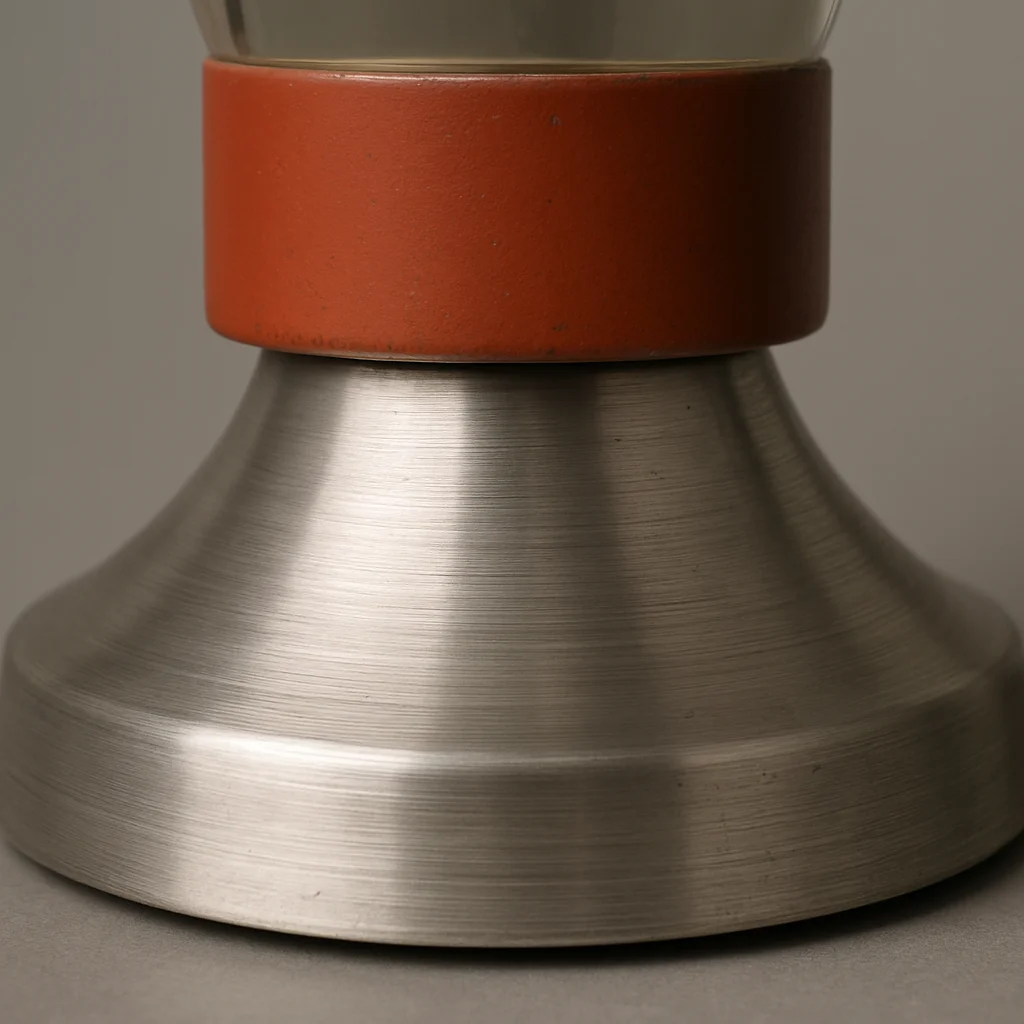
These are the lamps that started everything, and they are correspondingly fragile in the ways that matter most. The glass vessels of this period are noticeably thicker and heavier than later production runs, which is reassuring until you realise that the original fluid formulations were calibrated precisely to that glass. Replacement fluids mixed for thinner modern vessels will frequently behave incorrectly — sluggish flow, poor wax separation, clouding — because the thermal dynamics simply do not match.
Original wax compounds from this era used a now-discontinued blend that collectors describe, with some frustration, as impossible to replicate exactly. Period-correct restoration here means accepting some compromise: if the wax is still intact and mobile, do not disturb it. Clean the vessel gently, address only what is broken, and leave the chemistry alone. The aluminium bases of this era also oxidise in a distinctive, almost pewter-like way that is part of the authentic character; aggressive polishing removes that patina irreversibly.
1970s–1980s: The Colour Experimentation Years
This is the most varied production period Mathmos ever had, and also the one most likely to surprise restorers with unexpected materials. Cap and base fittings from this era sometimes used plastics that have aged unpredictably — some remain perfectly stable, others have become brittle or have developed stress fractures that are invisible until handled firmly. Assume fragility and test fittings gently before applying any meaningful torque.
Fluid from this period occasionally shows a characteristic amber tinge that is not a fault but a result of the specific surfactant blends used. Replacing it entirely will produce a visually different lamp; retaining it, where the fluid is otherwise functional, preserves the period character. The Design Evolution by Era page gives useful colour reference photographs for this period, which can help you distinguish authentic ageing from genuine degradation.
1990s–Early 2000s: Mathmos Revivals and the Retro Boom
The lamps of this period are more abundant and more forgiving, which can lull restorers into overconfidence. The glass is thinner, the caps are easier to remove, and replacement fluids designed for these vessels are more widely documented. The main restoration pitfall here is cosmetic: the powder-coat finishes on 1990s bases chip and scratch in ways that are difficult to touch up invisibly, and the silver and chrome variants in particular show polishing marks under anything brighter than a forty-watt bulb. (Resist the urge to make them look new. A lightly worn base is honest. A badly buffed one is just sad.)
Bulb equivalence is also worth careful attention in this era: some revival lamps were designed around specific wattages that are no longer standard, and over-wattage substitutes will overheat the wax, producing permanent deformation.
For broader context on what makes each era visually and historically distinctive, the Cultural Significance and Design Evolution pages sit naturally alongside this one — because understanding a lamp’s place in history is, in the end, the best preparation for treating it with appropriate care.